What Makes a Great Brake Pad(based on recent studies) to help you choose the right brake pads for your vehicleWhat Makes a Great Brake Pad
brake pads
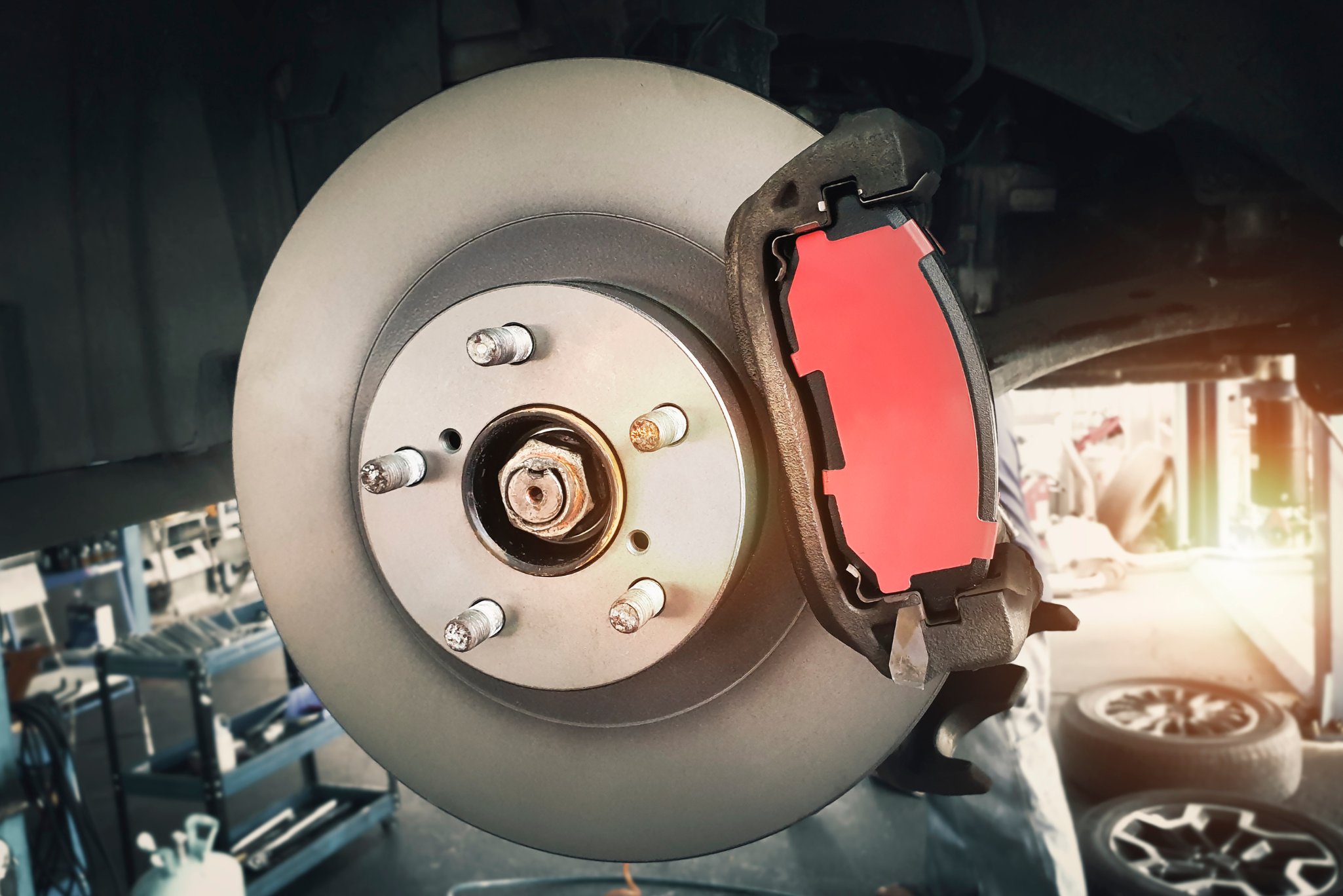
What Makes a Great Brake Pad Brake pads are more than just blocks that rub on rotors—they’re engineered systems that involve: Read More : BMW Motorcycle Innovations: What’s New for Adventure Riders in 2024
- Friction coefficient (how “grippy” the pad is)
- Wear rate (how quickly the pad—and rotor—degrade)
- Heat tolerance (ability to maintain performance under heavy use)
- Noise, vibration & harshness (NVH)
- Environmental impact (dust, emissions, composition)
Recent studies show variation among pad formulations in all these aspects. For example, research comparing different powder-metallurgy brake pad formulas found that some had higher friction but more wear, others lower friction but quieter operation. PMC Another work on natural composite brake pads shows promise, but points out challenges in thermal stability and consistent friction. SAGE Journals+1. Read More :
Destination Animal Wonders: Exploring the World’s Most Unique Wildlife Sites
Types of Brake Pads and Their Trade-Offs
Here are the main types of brake pads, what you gain, and what you give up.
| Type | What Are They Made Of | Strengths | Weaknesses |
|---|---|---|---|
| Organic / Non-asbestos organic (NAO) | Rubber, glass, Kevlar or natural fibers, resins (no or very little metal) hrfautobrake.com+1 | Quiet, gentle on rotors, lower cost, less harsh dust frontech.com+1 | Poor high-temperature performance (fade under heavy braking), shorter lifespan, lower friction under tough conditions PMC+1 |
| Low-Metallic NAO | Mostly like organic pads but with small amounts of metals like copper or iron to boost performance frontech.com+1 | Better heat tolerance, improved bite over pure organic, still relatively smoother and quieter than metallic pads kemsoracing.com+1 | More dust, more rotor wear, still less durable in extreme or heavy-load use kemsoracing.com+1 |
| Semi-Metallic / Sintered Metallic | High metal content (steel, iron, copper), sometimes mixed with fillers & resins frontech.com+2Noble Quote+2 | Very good heat resistance, strong braking under load, durable for more aggressive driving or towing PMC+1 | Noisier, more dust, more wear on rotors, possibly more costly in rotor maintenance frontech.com+2Noble Quote+2 |
| Ceramic / Ceramic Composite | Ceramics, clay, non-ferrous fillers, minimal metal in good blends frontech.com+2kemsoracing.com+2 | Quiet, cleaner (less dust), stable friction across temperatures, good for daily driving comfort kemsoracing.com+1 | Higher cost, sometimes less ideal under extreme heat or heavy loads, sometimes more rotor wear in certain conditions depending on pad and rotor match kemsoracing.com+1 |
Recent Findings That May Influence Your Choice

To make an inspired and informed decision, here are some recent findings worth knowing:
- Natural composites are improving
A study developing brake pads from Cortaderia selloana (a plant biomass) showed that adding 12-15% of this natural fiber (weight percent) can give pads (in test settings) good friction coefficients (around 0.30) while being asbestos-free. SpringerLink This points toward greener options becoming more viable. - Wear particles & toxicity matter
Research revealed that non-asbestos organic pads produced particles that were surprisingly more toxic (for lung cells) than even some hybrid-ceramic ones, especially when copper content was involved. The Guardian Hence material composition isn’t only about performance, it’s also about environmental/health safety. - Temperature stability is a big differentiator
Tests of various pads showed that under high heat (e.g. over 500-800 °C in some bench tests) some pads maintain friction, others drop off sharply. For example, in one study, certain pads kept a stable coefficient of friction (μ) even when T rose above 800 °C, which is impressive — but other pads lost performance. ejournals.vdu.lt+1 - Dust, noise, rotor wear tied to material structure & additives
Studies of metallic fiber content, fillers like SiC (silicon carbide) or ZrO₂, or hybrid fillers influence not just friction, but also noise levels, vibration, how fast both the pad and rotor wear out. Lower metal or more balanced fillers can reduce dust & noise, but may affect thermal performance. PMC+2frontech.com+2. Read More : Destination Animal: Wonders—Exploring the World’s Most Unique Wildlife Sites
Subheading: Choosing the Right Brake Pads for Your Driving Style

Your driving style is the key to selecting the brake pads that will serve you best. Matching your daily habits with the proper pad helps you avoid regrets.
- Daily commuter / city driving
If most of your driving is stop-and-go traffic, short trips, frequent braking, then choose pads with good initial bite, low noise, good stopping at lower heat. Ceramic or low-metallic NAO often shine here. - Highway / long-distance driving
Here you need pads that can handle occasional braking at higher speeds but more cooling time. Semi-metallic or higher quality ceramic composites with good heat resistance are better choices. - Heavy loads / towing / mountainous terrain
These situations generate high braking heat, heavy wear, demands on durability. Semi-metallic or true metallic / sintered pads tend to outperform in heat dissipation and resistance to fade. - Performance / track use
If you push your vehicle hard, brake at high speeds, do track events, you’ll want the high friction coefficients, extreme heat tolerance, but accept more maintenance, more rotor wear, more cost. In that case, high-quality sintered metallic or specialty formulas. Read More : Maximizing Your Trip with Google Travel: Top Features for 2024
Other Important Factors to Check Before Buying Brake Pads

Even after choosing the type that matches your style, pay attention to these details to ensure you really get the right brake pads: Read More : Embarking on Literary Journeys: Adventure Literature and the Call of Wanderlust
- OEM specifications and fit
Always check your owner’s manual or parts spec: shape, size, backing plate design, required friction rating. Low-fit or mismatched pads cause uneven wear or safety issues. - Certifications and standards
Look for recognized certifications (e.g. ECE R90 in Europe, or equivalent in your region) to ensure the pad meets minimum safety / performance thresholds. - Material breakdown & composition details
If possible, check the metal content, fiber type, filler additives. As recent research suggests, some materials are more harmful due to heavy metals in dust. Go for formulations that balance performance and environmental/health concerns. - Rotor compatibility
Even the best brake pads won’t perform well if the rotors are not compatible (material, condition, smoothness). Certain pads may require upgraded or ventilated rotors. - Budget vs lifetime cost
A cheaper pad may cost less upfront but might wear faster, produce more rotor wear, create more dust, or require more frequent replacement. Investing more in a premium pad could save money and frustration over time. - Warranty & brand reputation
Reliable brands often provide better quality control, more information, and sometimes longer warranty.