Why Hybrid Cars Are Dominating the 2026 Automotive Market
Hybrid Cars
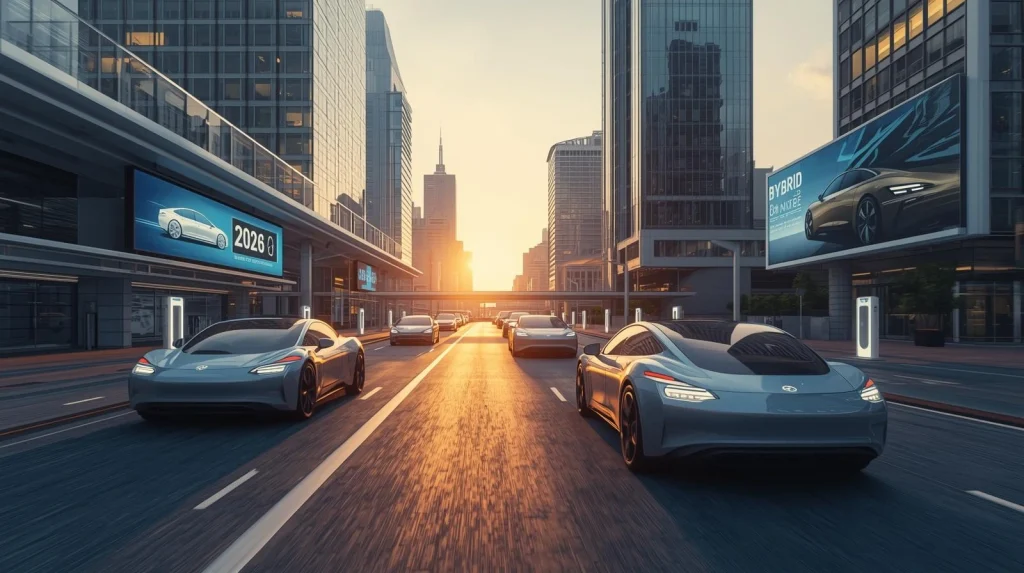
In the rapidly evolving automotive world of 2026, one trend stands out clearly: Hybrid Cars are no longer just a transitional technology — they are dominating the global market in ways that surprise even seasoned industry watchers. What once was seen as a compromise between old combustion engines and fully electric vehicles has come into its own as a smart, practical, and increasingly popular choice for drivers, auto manufacturers, and policymakers alike. Let’s explore why this exciting shift is happening now — backed by the latest data, trends, and market insights. Read More : Breaking Barriers: The Long Road to PayPal for Pakistan
1. A Perfect Middle Ground: Efficiency Meets Practicality

At the heart of the hybrid revolution is the simple fact that Hybrid Cars offer a perfect balance. Unlike fully electric vehicles that depend on expansive charging infrastructure, hybrids blend internal combustion engines with electric motors to deliver better fuel economy and reduced emissions — without the worry of running out of battery power mid-journey. This dual system means drivers can save on fuel, emit fewer pollutants, and still enjoy the convenience of familiar fueling habits. Read More : Cybersecurity in Finance and Accounting: Key Risks and Mitigation Strategies
Modern hybrid systems also keep maintenance simpler compared to some high-end electric powertrains, which appeals to everyday car buyers seeking reliability and affordability. In markets where charging stations are still limited, this practicality becomes more than a feature — it’s a selling point. Read More : PayPal for Pakistan: A New Era for Freelancers and Digital Payments
2. Global Market Growth: Numbers Tell the Story

The market momentum for Hybrid Cars is not just perception — it’s backed by substantial market growth. Recent industry research shows the global hybrid vehicle market is projected to grow significantly in 2026, with the hybrid segment poised to reach new valuation highs. This growth is supported by demand from both consumers and manufacturers alike, driven by regulatory pressure and consumer desire for sustainable alternatives.
Interestingly, markets like North America and Asia Pacific are among the strongest growth regions, reflecting diverse consumer preferences and regulatory landscapes that reward low-emission vehicles. Read More : The New Normal: Remote Work as Mainstream Expectation
3. Government Policies and Environmental Mandates

Government policies across the globe are increasingly tied to emissions targets and greener mobility solutions. While some regions are aggressively pushing full electrification, others are recognizing that Hybrid Cars provide a practical intermediate step: meaningful emission reductions now alongside longer-term electrification goals.
This policy support often takes the form of tax incentives, registration benefits, or relaxed fuel economy requirements, which combined make owning a hybrid more appealing — both economically and environmentally. In Europe, for example, hybrids have surged in popularity because they help countries meet stringent carbon reduction targets while still maintaining flexibility in consumer choice.
4. Manufacturer Commitment and Innovation

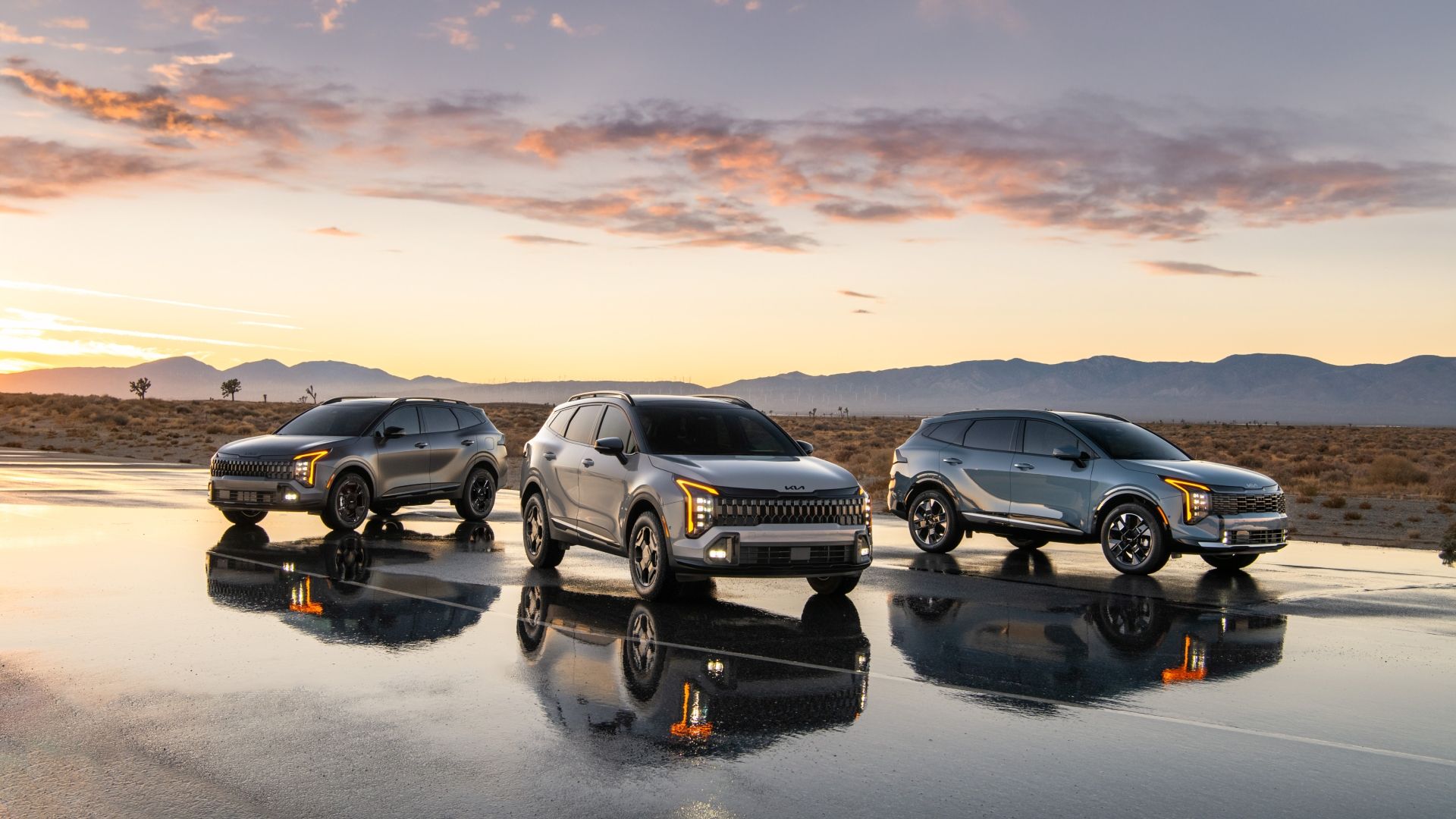
Automakers themselves are fully embracing the hybrid trend. Iconic models such as the 2026 Toyota RAV4 have gone hybrid-only, demonstrating how traditional internal combustion engine platforms are evolving to prioritize efficient hybrid systems.
Toyota, in fact, consistently leads the hybrid segment, capturing large market share with models that appeal to families, urban drivers, and sustainable mobility adopters. This focus isn’t unique to Toyota alone — from Honda to Hyundai and Ford — manufacturers are expanding their hybrid lineups, introducing more variants to suit diverse consumer needs and price points. Read More : Best Online Platforms to Buy Quality Auto Parts in 2025
5. Consumer Preferences: Balancing Cost and Confidence

One of the most compelling reasons Hybrid Cars dominate the 2026 scene is how they speak to consumer psychology. Many drivers want to reduce their environmental impact but remain cautious about fully committing to electric vehicles due to range anxiety, charging infrastructure concerns, or higher upfront prices.
Hybrids bridge this gap perfectly — offering electric-assisted driving without reliance on charging stations. For buyers who want the benefits of electrification but with familiar fueling habits and lower price tags than many pure EVs, hybrids have become a smart choice.
Additionally, hybrid models often deliver exceptional mileage — in some cases outperforming traditional petrol cars by a significant margin — further enhancing their appeal to cost-conscious drivers.
6. The Role of Emerging Markets

While advanced economies lead in cutting-edge electrification, emerging markets are embracing Hybrid Cars for strategic reasons. In countries where fuel costs remain high and charging infrastructure is still developing, hybrids present a more accessible entry point for sustainable mobility. Polls and sales data suggest rising interest and intent to purchase hybrids, indicating that demand is spreading beyond wealthy urban centers into broader, global markets.
This trend is significant: as more middle-income markets adopt hybrids, global sales are expected to climb further, making hybrids not just niche players but mainstream vehicles in the 2026 automotive landscape.
7. The Future: Hybrid Cars as a Catalyst for Change
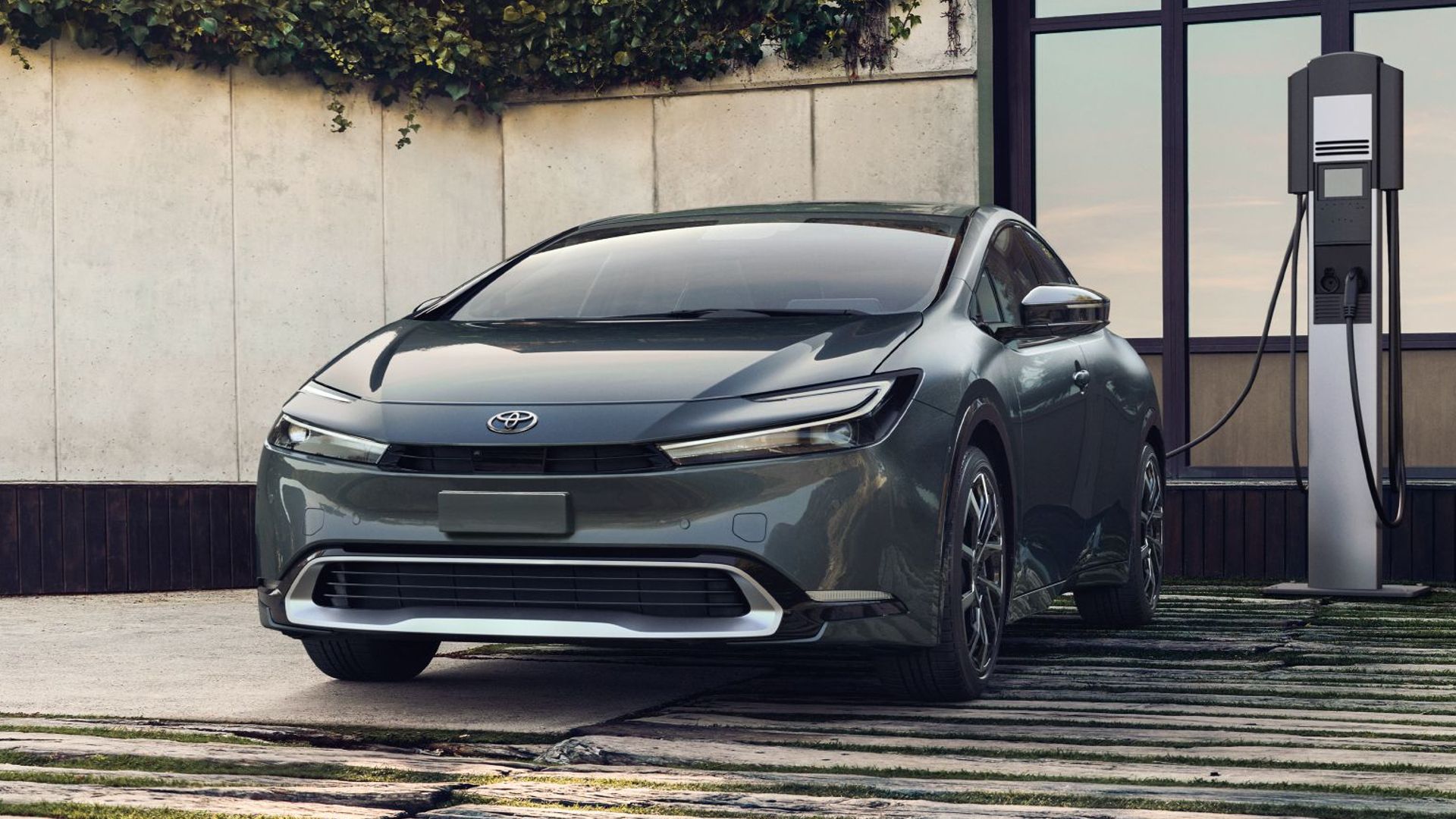
What makes the 2026 hybrid story so inspiring is that these vehicles aren’t simply occupying space between petrol and electric — they are shaping a future where sustainable technology is accessible, practical, and exciting. Hybrid Cars have become agents of change, empowering drivers to make environmentally friendly choices without compromising convenience or affordability.
Across continents, from bustling cities to expanding suburbs, the hybrid wave is redefining how we think about mobility — not as an “either-or” between old and new technologies, but as a thoughtful, creative blend that propels the automotive market into a dynamic future.